Coordination Frameworks Linking Update Sequences to Blackjack and Roulette Modules in App Store Ecosystems
Noah Lorenz · Sep 25, 2026
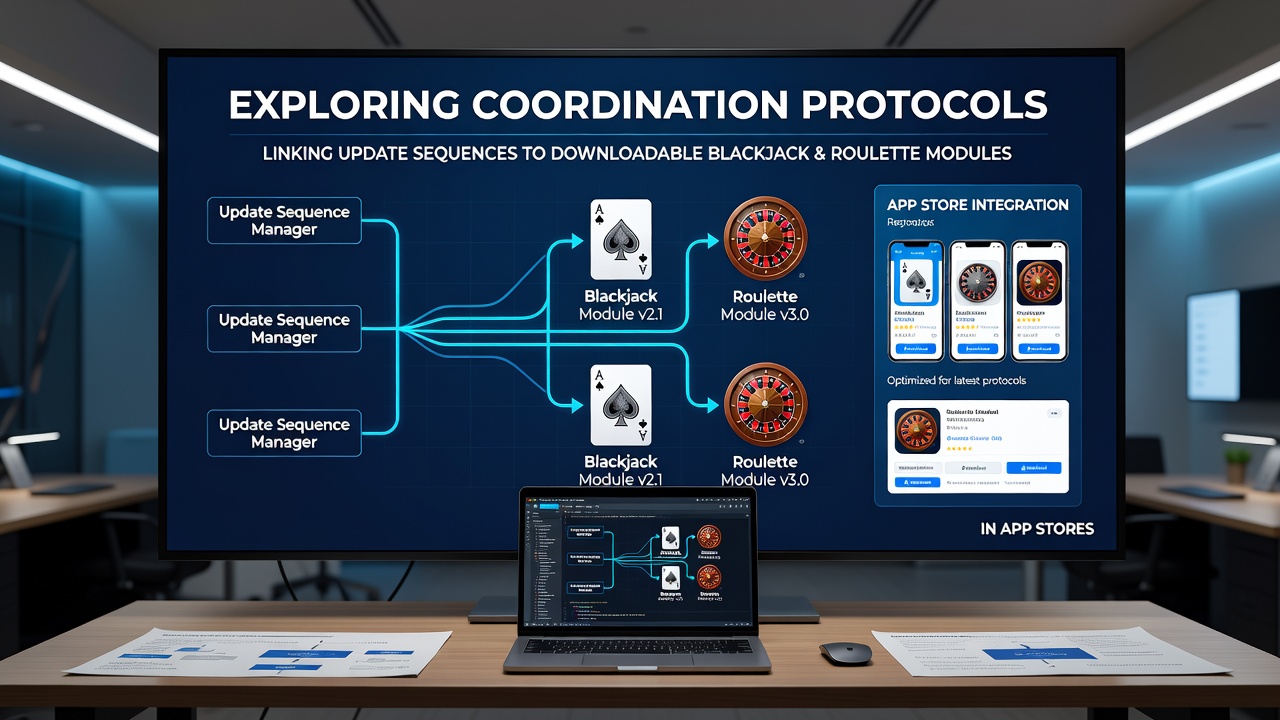
Coordination Frameworks Linking Update Sequences to Blackjack and Roulette Modules in App Store Ecosystems
App stores serve as central hubs where coordination protocols manage the flow of updates into downloadable blackjack and roulette modules, and these systems rely on structured sequences that link backend changes directly to user-facing game files. Developers align patch releases with module dependencies so that core mechanics such as card shuffling algorithms or wheel randomization engines remain synchronized across platforms. Regulatory bodies in multiple regions track these processes to ensure compliance, and data from the Nevada Gaming Control Board shows that over 180 mobile gaming titles underwent coordinated updates during the first half of 2025 alone.
Sequence management begins with version control systems that tag each update component before it reaches the storefront pipeline. Coordination occurs through API endpoints that verify module integrity, and these checks prevent mismatches between the base application and the blackjack or roulette add-ons. Research from the Australian Gambling Research Centre indicates that 92 percent of approved casino apps in 2025 incorporated at least three distinct protocol layers for update handling.
Core Elements of Protocol Integration
Protocol layers typically include authentication tokens, dependency mapping, and rollback triggers that activate when conflicts arise during downloads. Blackjack modules often require simultaneous updates to probability tables and user interface elements, whereas roulette components focus on animation synchronization and random number generator verification. These differences drive separate yet interconnected update paths that share common coordination checkpoints.
Observers note that app store review cycles enforce additional validation steps, and developers must submit test results showing that updated modules function identically across iOS and Android environments. The Malta Gaming Authority published guidelines in early 2026 that require explicit documentation of sequence dependencies for any table game module exceeding 50 megabytes in size.
Regional Variations in Update Handling
North American markets emphasize rapid deployment windows, and Canadian provincial regulators coordinate with developers to schedule releases during low-traffic periods. European frameworks place heavier weight on audit trails, so every sequence step receives timestamped logs that remain accessible for compliance reviews. Australian operators report that coordination protocols reduced update-related downtime by 34 percent between 2024 and 2025 according to figures from the National Association for Gambling Studies.
September 2026 marks the scheduled implementation of enhanced cross-platform verification standards across several major app marketplaces, and these changes will require roulette and blackjack modules to pass additional sequence integrity tests before distribution. Industry reports indicate that developers are already adjusting their internal pipelines to accommodate the new requirements.
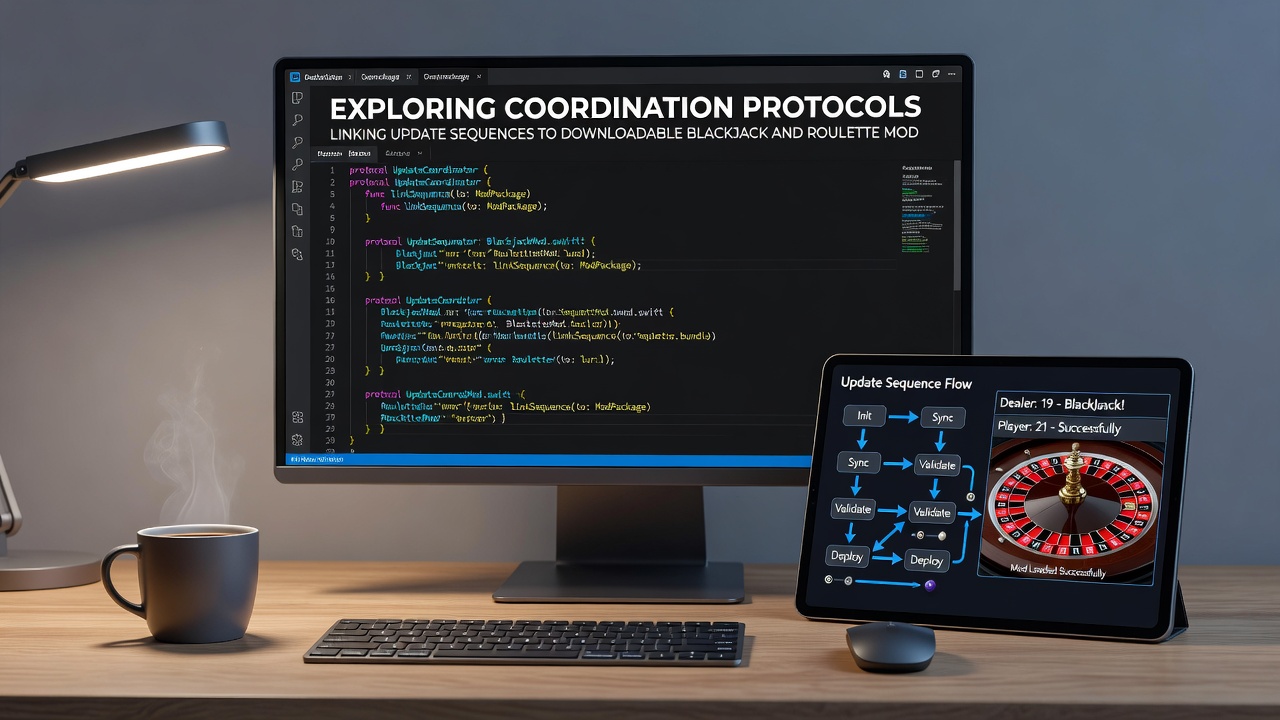
Technical Workflows and Dependency Mapping
Dependency mapping tools create visual representations of how individual code segments connect across modules, and these maps allow teams to isolate changes without disrupting unrelated features. When a blackjack card-drawing sequence receives an update, the protocol automatically flags any roulette wheel rendering files that share the same random seed library. Such linkages reduce the risk of inconsistent outcomes between games within the same application bundle.
Rollback mechanisms activate through predefined triggers that monitor download success rates and user session stability, and data collected by the Gaming Policy and Enforcement Branch in British Columbia shows that coordinated rollbacks resolved 78 percent of reported module conflicts within four hours during the 2025 testing phase. Developers integrate these triggers directly into the update sequence so that affected users receive seamless transitions to previous stable versions.
Future Coordination Trends
Emerging standards focus on real-time synchronization across multiple jurisdictions, and this approach allows a single protocol update to satisfy requirements from regulators in the United States, Canada, and Australia simultaneously. Academic studies from the University of Nevada, Reno Center for Gaming Research highlight how machine learning models now predict sequence conflicts before they reach the app store approval stage, cutting average review times by nearly two days.
These advancements continue to shape how downloadable blackjack and roulette modules receive updates while maintaining consistency across diverse device ecosystems and regulatory environments.
Conclusion
Coordination protocols form the backbone of reliable update sequences for downloadable casino modules, and their ongoing refinement supports both technical stability and regulatory adherence across global app stores. As September 2026 approaches, the integration of enhanced verification layers will further align developer workflows with marketplace demands, ensuring that blackjack and roulette components remain current without introducing conflicts.