Harmonizing Promotional Bundle Delivery Across Slot and Table Game Platforms in Multiple Regulatory Zones
Tina Hansen · Nov 20, 2026
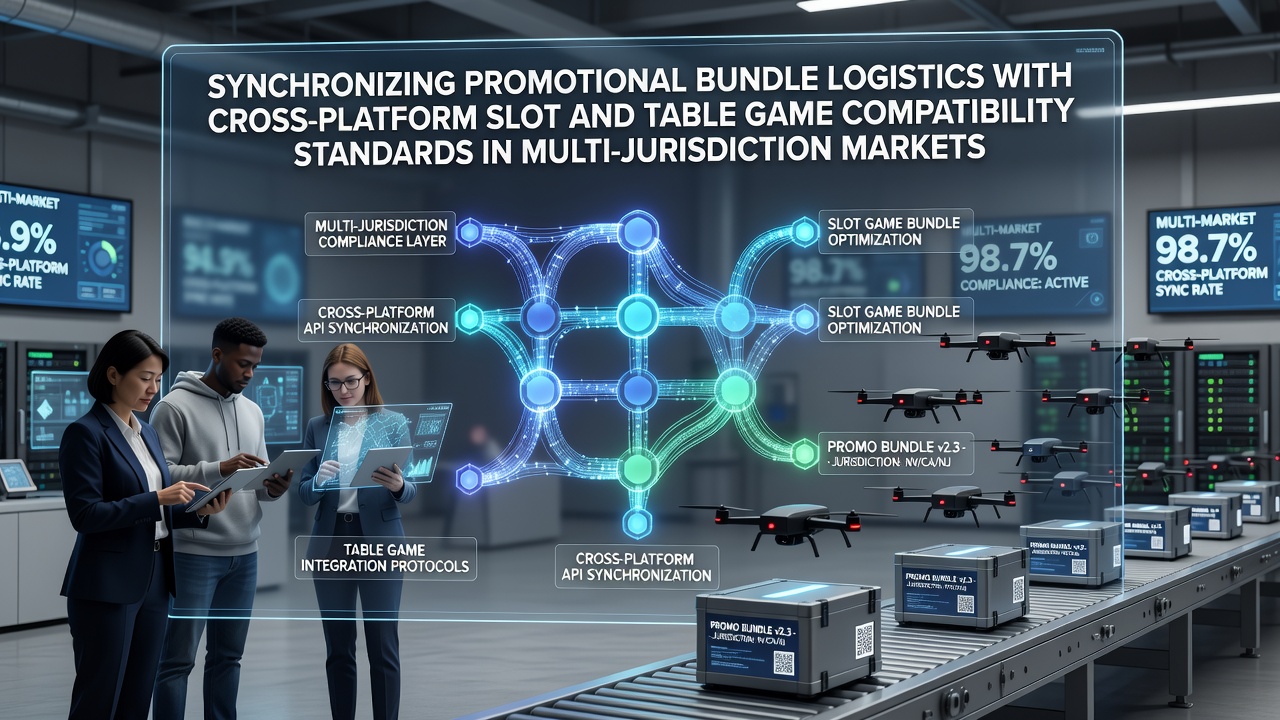
Harmonizing Promotional Bundle Delivery Across Slot and Table Game Platforms in Multiple Regulatory Zones
Operators in the casino sector face increasing demands to align promotional bundle logistics with compatibility standards that span slot machines and table games while operating across multiple jurisdictions, and data from industry reports indicates these efforts require precise coordination of software updates, content delivery, and compliance checks. Regulatory frameworks in regions such as the United States and Australia set distinct requirements for how promotions integrate with game engines, which means developers must build systems that adapt to varying rules without disrupting player experiences or bundle fulfillment timelines.
Core Elements of Cross-Platform Compatibility
Slot engines and live dealer modules operate on separate technical foundations, yet promotional bundles often combine free spins with table game credits or bonus cash that applies to both, so synchronization protocols must account for differences in payout structures, session tracking, and platform-specific APIs. Studies from gaming technology providers show that compatibility layers built around standardized data formats reduce integration errors by measurable margins, while allowing bundles to activate consistently whether a player accesses a slot title or joins a blackjack table in a virtual environment.
Multi-jurisdiction markets add layers of complexity because each authority maintains its own certification processes and timing for software approvals, and operators who manage operations in Nevada alongside those in Ontario or New South Wales must route promotional content through separate validation pipelines. According to records maintained by the Nevada Gaming Control Board, approval cycles for new promotional features can extend several weeks when bundles include elements that touch both slots and table games, which pushes logistics teams to plan release sequences well in advance of scheduled launches.
Logistics Coordination in Practice
Bundle delivery systems rely on centralized content management platforms that push updates to distributed game servers, yet these platforms must incorporate jurisdiction-specific flags that activate or suppress certain offers based on local rules. One case documented by industry analysts involved an operator adjusting a holiday promotion across three markets where slot bonuses triggered instantly but table game credits required additional authentication steps, and the adjustment prevented compliance flags from halting the entire campaign.

November 2026 brings scheduled regulatory reviews in several jurisdictions that may influence how operators structure these logistics, particularly around real-time reporting of bundle redemptions that span different game categories. Research from academic papers on digital gaming systems highlights that automated compliance modules integrated into update pipelines can flag potential mismatches before bundles reach players, which supports smoother operations during periods of heightened regulatory scrutiny.
Technical Standards and Update Mechanisms
Compatibility standards typically cover elements such as random number generator certification, user interface consistency, and transaction logging that must remain uniform across promotional activations, and organizations like the International Association of Gaming Regulators have published guidelines that encourage common data schemas for these functions. Developers who adopt these schemas report fewer instances of bundle failures when expanding into new markets, since the underlying code already accounts for variations in how slot and table game modules interpret promotional triggers.
Patch cycles for slot engines often run on different cadences than those for table game modules, which creates windows where promotional content could fall out of sync if logistics teams do not coordinate release windows carefully. Figures from technology vendors indicate that staggered deployment strategies combined with rollback capabilities keep most bundles functional even when one platform experiences a delay, and these approaches have become standard practice among larger operators managing multi-state portfolios.
Regional Variations and Compliance Data
Markets in Canada and parts of Europe maintain their own certification bodies that evaluate promotional mechanics separately from game software, which means bundle creators must supply documentation tailored to each authority while maintaining a single source of truth for the underlying assets. External analyses from research institutions such as the University of Nevada, Las Vegas Center for Gaming Research reveal patterns where early engagement with multiple regulators during the planning phase shortens overall approval times for cross-platform promotions.
Operators who track redemption rates across jurisdictions note that synchronized bundles tend to show higher completion metrics when slot and table game components activate under matching conditions, and these observations appear in quarterly performance summaries shared within industry forums. The reality is that logistical friction often surfaces at the intersection of technical compatibility and regulatory timing rather than within any single component.
Conclusion
Effective synchronization of promotional bundle logistics with cross-platform standards requires ongoing attention to regulatory timelines, technical interfaces, and data consistency across slot and table game environments in multiple jurisdictions. Organizations that maintain flexible update frameworks and engage with certification processes in advance position themselves to deliver consistent promotions while meeting the distinct requirements of each market they serve.