Technical Processes of Software Toolkits in Roulette Demo Synchronization with Live Feeds
Paul Frank · Oct 9, 2026
Technical Processes of Software Toolkits in Roulette Demo Synchronization with Live Feeds
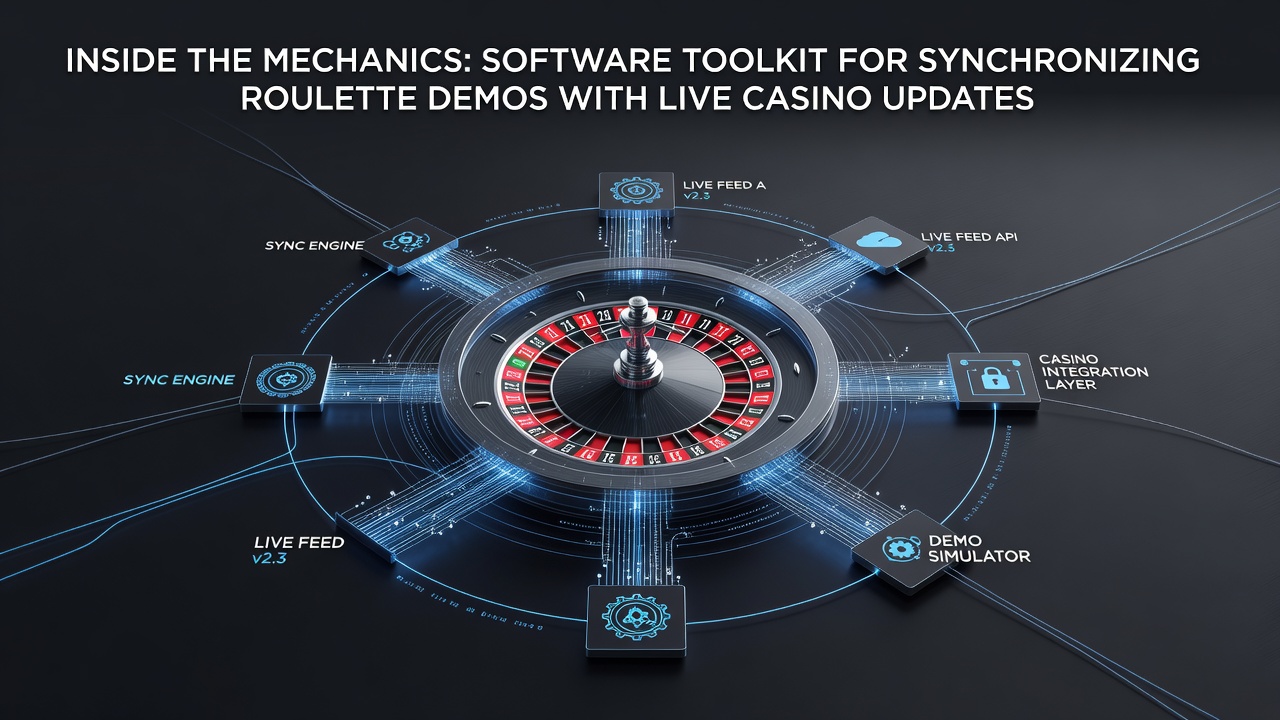
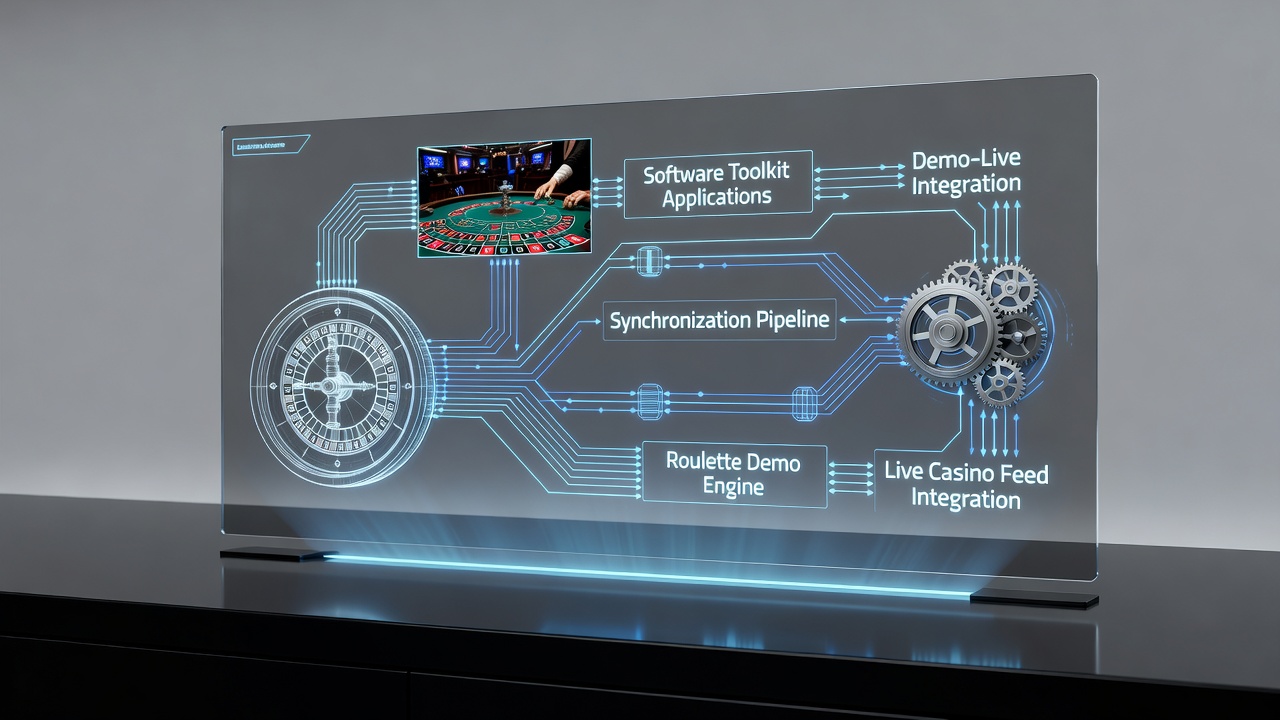
Software developers build toolkit applications that handle data exchange between roulette demonstration versions and live casino platforms through structured synchronization layers. These layers pull real-time wheel outcomes, betting patterns, and table statistics from operational servers then push matching elements into demo environments for training or promotional use. Data flows rely on API endpoints that transmit updates in standardized formats such as JSON packets containing spin results and timestamp markers. Engineers implement event listeners within the toolkit code to detect changes on the live side and trigger corresponding adjustments in the demo module. When a live roulette wheel completes a spin the toolkit captures the result through a dedicated listener then replicates the sequence number and payout calculation in the demonstration instance. This process maintains consistency across both environments without requiring manual intervention from operators.Core Components of Synchronization Toolkits
Toolkit architectures typically include a core engine that manages data queuing and conflict resolution, a communication bridge that connects to casino backend systems, and a rendering handler that updates visual elements in the demo interface. The engine processes incoming packets in sequence while the bridge maintains persistent connections to live servers through secure sockets or RESTful calls.
Researchers at the University of Nevada, Reno have examined similar synchronization frameworks in gaming software and noted that latency under 200 milliseconds supports seamless user experiences during demo sessions. Their findings appear in technical papers focused on real-time simulation accuracy.
Update Mechanisms and Data Handling
Live casino systems generate continuous streams of wheel position data and player activity logs. Toolkit applications subscribe to these streams through dedicated channels that filter relevant roulette events from broader casino traffic. Once filtered the toolkit applies transformation rules to convert live data into demo-compatible formats that preserve statistical integrity.
October 2026 marks the scheduled rollout of enhanced encryption standards across several North American casino networks which will require toolkit updates to maintain compatibility with new secure data protocols. Developers have prepared patch cycles that integrate these standards while preserving existing synchronization speeds.
Integration with Regulatory Requirements
Regulatory bodies in different regions impose specific rules on how demo versions may display live-derived information. The Australian Communications and Media Authority requires clear labeling of demo content to distinguish it from actual wagering interfaces while the Nevada Gaming Control Board monitors synchronization accuracy to prevent misleading representations of game fairness.
Toolkit developers incorporate compliance checks that verify each synchronized element meets these regional standards before the demo displays updated content. Automated validation scripts scan for discrepancies in payout tables and wheel bias indicators then flag any mismatches for review.
Performance Monitoring and Error Correction
Monitoring dashboards track synchronization success rates and alert teams when packet loss exceeds predefined thresholds. Error correction routines attempt to reconcile missed updates by requesting historical data from the live server archive and replaying the sequence in the demo environment. These routines operate in background processes to minimize disruption for end users.
One documented case involved a toolkit deployment at a multi-site operator where network congestion caused repeated desynchronization events. The development team responded by adding redundant data paths and adjusting buffer sizes which restored consistent performance across all connected demo instances.
Conclusion
Software toolkit applications continue to evolve their methods for linking roulette demos with live casino updates through refined data pipelines and adaptive compliance features. Observers note that ongoing refinements in October 2026 and beyond will likely focus on faster reconciliation protocols and expanded support for emerging regulatory frameworks across multiple jurisdictions. These technical advancements support reliable demo environments that reflect current live conditions while adhering to established operational standards.